
Holistic, person-centred support from the asylum system to a settled home

Information, Advice and Guidance (IAG)

A positive decision from the Home Office should be a moment of security. In practice it creates an immediate risk of homelessness. Newly recognised refugees must leave asylum accommodation within a very short period while applying for housing, benefits and other essential support at the same time.

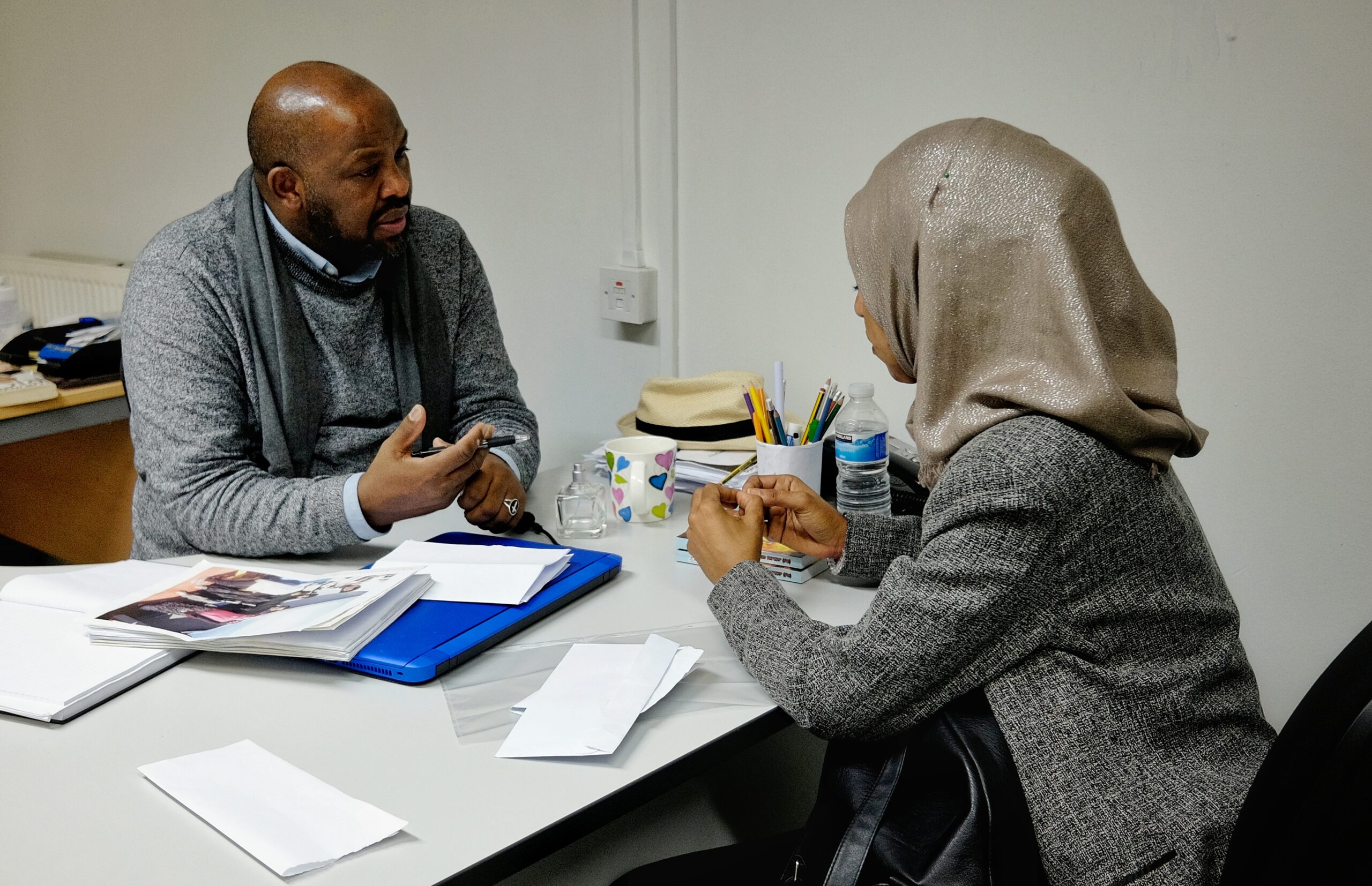
IAG is IPC's core service. Most people meet us while they are still in the asylum system, so when a decision arrives we already know them and can act immediately: housing applications, benefits, healthcare and family reunion. Because social housing is increasingly hard to access, we also work with responsible private landlords, and we stay involved after someone moves in so problems are caught early.

The service involves

  • Emotional support, interpretation and practical guidance during the asylum process, with referral to qualified immigration solicitors and Migrant Help where advice is needed.
  • Rapid action when status is granted: connecting people with local authority housing and homelessness services, and helping complete applications.
  • Advocacy where statutory services have not properly considered someone’s circumstances, including pregnancy, disability, serious health conditions or responsibility for children.
  • Building relationships with responsible private landlords and letting agents, and supporting tenancies after people move in so problems are caught early.
  • Registration for Universal Credit and other benefits, access to healthcare, and support with documents for family reunion.
  • CV development, job-search guidance, volunteering and training as people become more settled.


Last year in numbers

IPC supported 1,176 individuals across all our services, including refugee doctor employment support, community football, gambling-harm prevention and our core Information, Advice and Guidance service.

IAG alone supported 512 people. Most came to us with several needs at once:

  • 95% needed support with Universal Credit or other benefits
  • 93% needed housing support
  • 60% received employment-related support
  • 54% needed family reunion information and referral

People also came to us for healthcare registration, education and school admissions, English-language learning, food and essential items, digital access, community connections, volunteering and training.